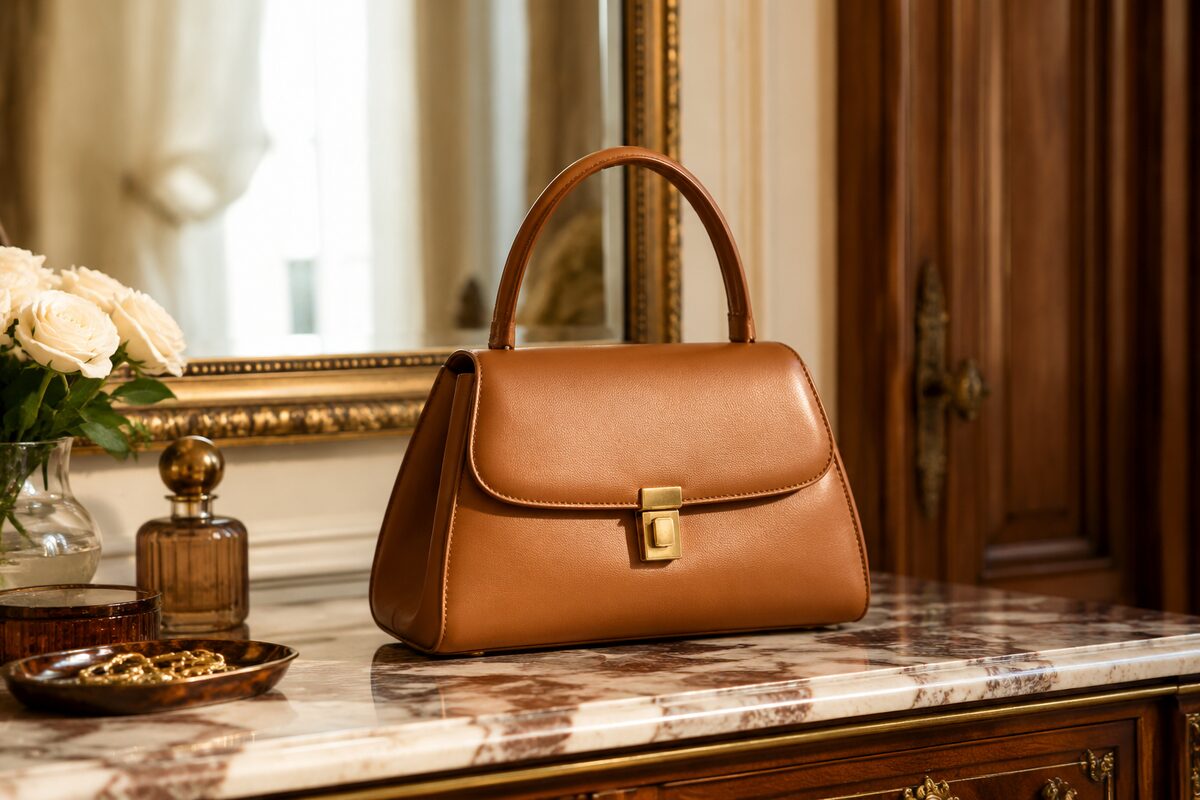
Fendi bags combine distinctive design with materials selected for appearance, structure and everyday use. Because each surface reacts differently to moisture, friction and cleaning products, the safest care begins with identifying the exact material.
This guide follows the same care points as our Japanese article and explains the history of Fendi, routine maintenance, storage and the use of glass coating at Smile Coating.

The History and Heritage of Fendi
Adele and Edoardo Fendi founded Fendi in Rome in 1925 as a leather-goods and fur workshop. The house developed a reputation for Italian craftsmanship, inventive materials and bags that balance function with distinctive design.
Gentle routine care and early professional advice help preserve both the material and the character of the original design.
Identify the Material Before Cleaning
Fendi bags may use calfskin, nappa leather, coated canvas, jacquard fabric and fur or textile details. A single bag can also combine different materials on the body, handles, trim, lining and decorative parts.
Check the care card and official product information first. If the material is uncertain, do not experiment with a cleaner; ask the brand or an experienced professional.

1. Dust Gently with a Soft White Cloth
For routine care, use a clean, lint-free white cloth to lift surface dust and fingerprints with very light pressure. Vigorous rubbing can alter sheen, grain, embossing or protective finishes. Avoid alcohol, solvents, shoe polish and strong household cleaners.

2. Avoid Color Transfer, Friction and Heat
Light-colored leather and canvas can pick up dye from denim and dark clothing. Avoid repeated rubbing at corners and edges, contact with rough surfaces, and exposure to perfume, cosmetics, hand cream or sanitizer. Keep the bag away from direct sunlight and hot cars.

3. If the Bag Gets Wet, Blot and Air-Dry
Press a clean, absorbent white cloth against the wet area to lift moisture; do not rub. Empty the bag, restore its natural shape and leave it to dry in a shaded, well-ventilated place. Never use a hair dryer or heater, as rapid heat can cause hardening, cracking, staining or distortion.

4. Store It with Its Shape Supported
Remove the contents and loosely fill the bag with soft, colorless tissue paper. Arrange straps, chains and hardware so they do not press into the surface. Place the bag in a breathable fabric dust bag, avoid plastic wrapping, and do not stack heavy items on top.
Ask the Brand About Repairs Early
Loose stitching, damaged handles, malfunctioning zippers or hardware, deep scratches and cracks should be assessed before they worsen. Available repair services vary by product and material, so an official store or customer service team should inspect the item.

Glass Coating Can Help Reduce Everyday Wear
Smile Coating’s glass coating supports the surface by helping reduce the effects of moisture, dirt and everyday friction. For a new bag, applying protection before regular use or at an early stage can help maintain its appearance.
Coating cannot completely prevent scratches, discoloration, water damage or natural aging. Some materials or finishes may not be suitable, and color, sheen or texture may change. Smile Coating checks the actual material and condition before recommending treatment.
Summary
- Check the material information supplied with the product.
- Dust gently with a soft, clean white cloth.
- Avoid alcohol, solvents and strong household cleaners.
- Protect the bag from friction, color transfer, direct sunlight and heat.
- If it gets wet, blot immediately and let it air-dry naturally.
- Support the shape with soft tissue and store it in a breathable dust bag.
- Consult the brand while damage is still minor.